
How Ceramic Coating Protects Car Paint Maintaining a car’s original appearance is not just about regular washing and cleaning. Over time, exposure to sunlight, dust, pollution, rain, bird droppings, road contaminants, and other environmental factors can gradually affect the vehicle’s exterior finish. These elements may cause paint fading, oxidation, water spots, swirl marks, and a loss of shine. For car owners who want to maintain their vehicle’s appearance and protect its exterior, ceramic coating has become a popular car care solution.
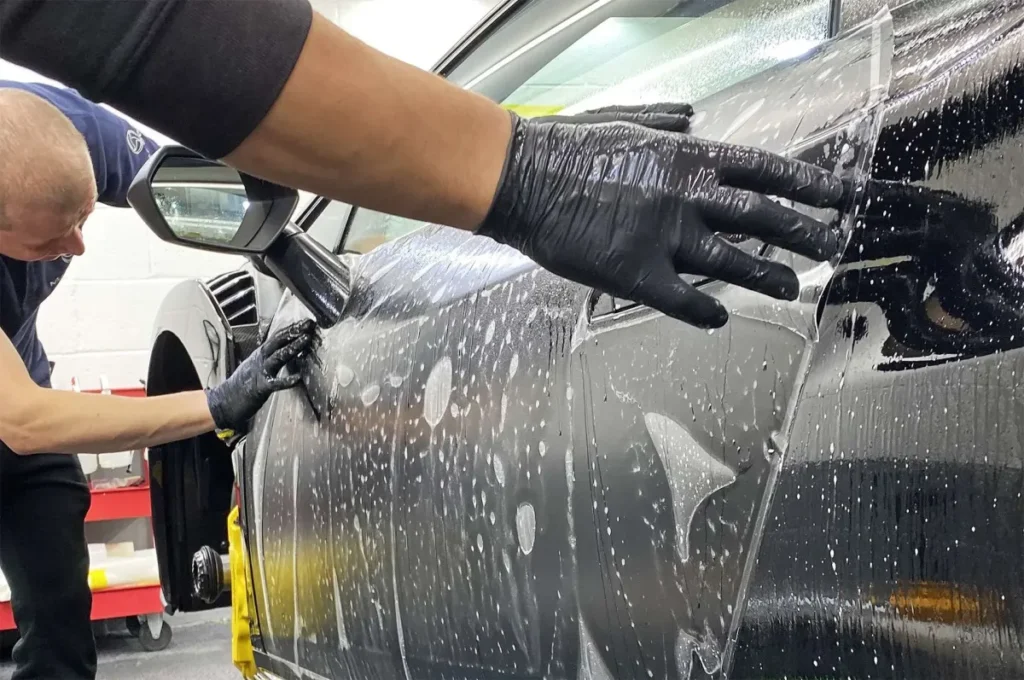
Ceramic coating provides an additional protective layer over the vehicle’s original paintwork. It helps protect the surface from several common environmental contaminants while creating a glossy finish that makes the car look cleaner and more attractive. Unlike traditional car wax, which generally provides shorter-term protection, professional ceramic coating products are designed to offer longer-lasting surface protection when correctly applied and maintained.
For vehicle owners looking for professional car detailing in Bangalore, ceramic coating can be an important part of a complete vehicle protection and maintenance routine. Understanding how ceramic coating works, its benefits, application process, and maintenance requirements can help car owners make an informed decision.
What Is Ceramic Coating for Cars?
Ceramic coating is a liquid polymer-based protective product applied to a vehicle’s exterior painted surfaces. Most professional automotive ceramic coatings use silicon dioxide (SiO₂) or related ceramic-based compounds to create a thin protective layer after application and curing.
Once properly applied, the coating bonds with the prepared paint surface and creates a hydrophobic finish. This means water tends to form droplets and roll away more easily instead of spreading across the surface. As a result, dirt and certain contaminants may have less tendency to stick firmly to the vehicle.
Ceramic coating is commonly used on car paint, exterior body panels, and selected automotive surfaces. Depending on the product, specialised coatings may also be available for wheels, glass, plastic trims, and leather or fabric interiors.
It is important to understand that ceramic coating does not make a car completely scratch-proof or damage-proof. Instead, it provides an additional layer of protection that supports the long-term maintenance of the vehicle’s exterior appearance.
How Does Ceramic Coating Protect Car Paint?
The main purpose of ceramic coating is to provide an additional protective barrier between the vehicle’s paintwork and everyday environmental exposure. Although the coating is extremely thin, its surface properties can help reduce the impact of common contaminants.
1. Protection Against UV Exposure
Vehicles regularly parked outdoors are exposed to ultraviolet radiation from sunlight. Continuous UV exposure can contribute to paint oxidation, fading, and deterioration of the clear coat over time.
Ceramic coating adds a protective surface layer that helps reduce the direct impact of environmental exposure on the paint finish. It can support the preservation of the vehicle’s gloss and appearance when combined with regular cleaning and appropriate maintenance.
For car owners in Bangalore, where vehicles may experience considerable sunlight and outdoor parking conditions, maintaining the exterior paintwork is an important part of vehicle care.
2. Reduces the Impact of Dust and Pollution
Dust, road grime, industrial pollution, and airborne contaminants can accumulate on a vehicle’s exterior surfaces. When these particles remain on the paint for extended periods, they can affect the vehicle’s appearance and make cleaning more difficult.
Ceramic coating creates a smooth, hydrophobic surface that helps reduce the adhesion of certain contaminants. This makes routine washing easier and helps maintain a cleaner exterior appearance.
Professional car detailing services can prepare the vehicle’s surface before coating application to achieve a more uniform finish.
3. Helps Protect Against Water Spots
Water spots are a common concern for vehicle owners. When water droplets dry on the car’s surface, they may leave behind mineral deposits that create visible marks.
Ceramic coating improves water behaviour on the painted surface by encouraging water to bead and move away more easily. This can reduce the amount of water remaining on the exterior after rainfall or washing.
However, water beading does not completely prevent water spots. Mineral-rich water can still leave deposits if droplets are allowed to dry on the surface. Proper washing and drying remain important.
4. Provides Resistance Against Chemical Contaminants
Vehicles are exposed to different chemical contaminants, including road salts, acidic deposits, bird droppings, tree sap, and certain cleaning chemicals.
If these substances remain on the paintwork for extended periods, they may damage the clear coat or leave permanent marks.
A professionally applied ceramic coating can improve resistance to certain chemical contaminants, depending on the product’s formulation. It gives car owners additional time and protection against everyday exposure, although harmful substances should still be removed as soon as possible.
5. Maintains a Glossy and Attractive Finish
One of the most noticeable benefits of ceramic coating is the enhanced appearance it can provide. A properly prepared and coated vehicle can achieve a deeper gloss and a smooth-looking finish.
The coating helps maintain the visual appearance of the paintwork by reducing the accumulation of certain contaminants and making regular cleaning easier.
For luxury vehicles, premium cars, and everyday vehicles, maintaining a clean and glossy exterior can improve the overall presentation and appearance.
Major Benefits of Ceramic Coating for Your Vehicle
Ceramic coating offers several advantages beyond improving the appearance of a car. It supports easier maintenance and helps preserve the exterior finish.
Long-Lasting Paint Protection
Compared with traditional wax products, professional ceramic coatings are designed to provide longer-lasting protection. Depending on the coating quality, preparation process, environmental exposure, and maintenance routine, the coating may last for several years.
This makes it a suitable option for car owners who want a more durable alternative to frequent waxing.
Easier Vehicle Cleaning
The hydrophobic properties of ceramic coating help water and certain dirt particles move away from the painted surface more easily. This can make routine washing less time-consuming.
Mud, dust, and road grime may be easier to remove when the coating is maintained properly. However, regular washing is still necessary to prevent contamination from building up.
Enhanced Paint Clarity
Before ceramic coating is applied, professional detailers may perform paint correction to reduce visible swirl marks, light scratches, and surface imperfections.
Once the surface is properly prepared, ceramic coating can enhance the appearance of the corrected paintwork by providing a smooth and glossy finish.
Reduced Need for Frequent Waxing
Traditional car wax generally requires more frequent reapplication. Ceramic coating offers a longer-term protective option, reducing the need for repeated waxing.
Although maintenance products may still be recommended, car owners can benefit from a more consistent protective finish.
Supports Vehicle Appearance and Resale Presentation
A vehicle with well-maintained paintwork generally creates a better visual impression when presented for resale. Ceramic coating can help support exterior maintenance by reducing contamination and making cleaning easier.
However, ceramic coating alone does not guarantee a higher resale value. Overall vehicle condition, service history, mileage, and mechanical performance also play important roles.
Why Is Ceramic Coating Important for Cars in Bangalore?
Bangalore’s urban environment presents several challenges for vehicle maintenance. Daily traffic, construction dust, pollution, changing weather conditions, and outdoor parking can affect the exterior condition of vehicles.
Car owners who regularly travel through busy areas may notice dust accumulation, road grime, water spots, and surface contamination.
Protection Against Bangalore’s Dusty Conditions
Construction activities and road traffic can expose vehicles to dust and fine particles. These contaminants can settle on painted surfaces and reduce the vehicle’s shine.
Ceramic coating helps create a surface that is easier to clean, supporting regular vehicle maintenance in dusty urban environments.
Maintaining Paint During Seasonal Rainfall
Rainwater can carry airborne contaminants and leave mineral deposits when it dries. Repeated exposure to rain and moisture can make exterior cleaning more challenging.
Ceramic coating’s water-repellent properties can help reduce water retention on the paint surface. Regular washing and drying are still essential to maintain the finish.
Better Care for Outdoor-Parked Vehicles
Many vehicle owners do not have access to covered parking facilities. Vehicles parked outdoors may experience continuous exposure to sunlight, dust, bird droppings, and tree sap.
Ceramic coating provides an additional protective layer that can help manage these environmental challenges and preserve the vehicle’s exterior appearance.
Ceramic Coating vs Traditional Car Wax: Understanding the Difference
Car owners often compare ceramic coating with traditional waxing when choosing a paint protection solution. Both options help improve the appearance of vehicle paint, but they differ in durability, maintenance, and protective properties.
Traditional car wax creates a temporary protective layer over the paintwork. It provides surface gloss and water beading but generally needs more frequent reapplication.
Ceramic coating uses specialised chemical formulations to create a more durable protective layer. It offers longer-lasting hydrophobic properties and can improve resistance to certain environmental contaminants.
Ceramic coating is generally more suitable for car owners looking for long-term paint maintenance, while waxing may be appropriate for those who prefer a simpler and more affordable short-term solution.
The right choice depends on the vehicle’s condition, maintenance expectations, budget, and desired level of protection.
The Professional Ceramic Coating Application Process
Applying ceramic coating is not simply a matter of spreading a product over the vehicle. Proper surface preparation is essential for achieving an even finish and effective bonding.
Professional car detailing specialists generally follow a systematic process.
Step 1: Thorough Exterior Washing
The vehicle is first washed to remove loose dust, dirt, mud, and surface contaminants. Specialised automotive cleaning products are used to avoid unnecessary damage to the paintwork.
Step 2: Paint Decontamination
After washing, detailers may use suitable chemical and mechanical decontamination methods to remove bonded contaminants such as industrial fallout, tar, and other stubborn deposits.
This process helps prepare the surface for polishing and coating.
Step 3: Paint Inspection and Correction
The vehicle’s paintwork is inspected under appropriate lighting to identify swirl marks, scratches, oxidation, and other visible imperfections.
If required, machine polishing or paint correction is performed to improve the surface condition before coating application.
This stage is particularly important because ceramic coating does not hide existing paint defects.
Step 4: Surface Preparation
The painted panels are cleaned using suitable preparation products to remove polishing oils and remaining residues.
A properly prepared surface allows the ceramic coating to bond more effectively.
Step 5: Ceramic Coating Application
The coating is carefully applied to individual panels using the manufacturer’s recommended application method.
Detailers spread the product evenly and monitor the surface to identify when it is ready for levelling or buffing.
Step 6: Curing and Final Inspection
After application, the coating requires an appropriate curing period. The curing conditions and time depend on the specific product and environmental requirements.
The vehicle is inspected to identify uneven application, high spots, or residue. Proper curing and aftercare instructions are important for achieving the expected results.
How Long Does Ceramic Coating Last?
The durability of ceramic coating depends on several factors, including product quality, preparation, application expertise, driving conditions, and regular maintenance.
Some entry-level coatings offer protection for around one year, while professional-grade products may be designed to last several years.
The actual lifespan varies by manufacturer and product specification. Therefore, car owners should understand the coating warranty, maintenance requirements, and expected durability before selecting a package.
Regular washing with coating-compatible products and following the detailer’s maintenance recommendations can help preserve the coating’s performance.
Common Mistakes to Avoid After Ceramic Coating
Even high-quality ceramic coating requires proper care. Incorrect washing methods and neglecting maintenance can reduce its effectiveness.
Using Harsh Cleaning Products: Strong chemicals and unsuitable household detergents may affect the coating’s performance. Always use automotive cleaning products recommended for coated vehicles.
Ignoring Regular Washing: Ceramic coating does not make a vehicle self-cleaning. Dust, mud, and other contaminants should be removed regularly.
Using Dirty Washing Materials: Dirty sponges, towels, and brushes can introduce scratches and swirl marks. Use clean microfibre materials and suitable washing equipment.
Allowing Bird Droppings to Remain: Bird droppings can damage automotive paint if left for extended periods. Remove them carefully as soon as possible.
Expecting Complete Scratch Protection: Ceramic coating is not a substitute for paint protection film. It cannot prevent all scratches, stone chips, or physical damage.
Skipping Professional Maintenance: Periodic inspections and suitable maintenance treatments can help identify contamination or reduced coating performance.
Is Ceramic Coating Worth It for Your Car?
Ceramic coating can be a valuable investment for vehicle owners who want to maintain their car’s exterior appearance and reduce routine cleaning difficulties.
It is particularly useful for people who drive frequently, park outdoors, own premium vehicles, or want to maintain their original paint finish for longer.
However, ceramic coating may not be necessary for every vehicle. The condition of the existing paintwork, ownership duration, budget, and maintenance habits should be considered before choosing a package.
For the best outcome, select a professional car detailing service that uses suitable coating products, follows proper surface preparation procedures, and provides clear aftercare guidance.
How to Choose the Right Car Detailing Service in Bangalore
Selecting the right detailing professional is just as important as choosing the ceramic coating product. Even a premium coating may not deliver the expected results if the vehicle’s surface is not properly prepared.
Before selecting a service provider, consider the following factors.
Experience and Expertise: Look for detailers with experience in paint correction, ceramic coating, and professional exterior detailing.
Product Quality: Ask about the coating brand, product specifications, expected durability, and warranty conditions.
Surface Preparation: Check whether the service includes washing, decontamination, paint inspection, and polishing where necessary.
Application Environment: A suitable and controlled application area helps reduce dust contamination during the coating process.
Maintenance Guidance: Professional detailers should explain washing methods, curing requirements, and recommended maintenance intervals.
Comparing these factors can help you identify a reliable service provider for your vehicle’s paint protection requirements.
Conclusion
Ceramic coating is an effective option for supporting long-term vehicle paint maintenance. By creating an additional protective layer, it helps improve water repellency, reduces the adhesion of certain contaminants, enhances paint gloss, and makes routine cleaning easier.
For vehicle owners in Bangalore, where dust, pollution, sunlight, traffic, and changing weather conditions can affect exterior surfaces, professional ceramic coating can be a useful addition to a regular car care routine.
However, achieving the best results requires proper paint preparation, professional application, quality coating products, and consistent maintenance.